AI Project Management
Project Management Is Changing . Are You Still Planning Like It's 2015?
Project Management Just Changed Forever — Most Teams Haven't Noticed Yet
The old model of project management — staring at a blank board, guessing where to start, manually chasing every status update — is over. Roughly 70% of projects still fail to fully meet their original goals, and a third of that failure traces straight back to coordination breakdowns, not lack of effort. This piece covers what's actually changed, the tactics fast-moving teams are using right now to plan and execute faster, and why AI orchestration — not just another dashboard — is becoming the default instead of the exception.
It used to take a full week just to get a project started. Not executed — started. Someone had to sit down, stare at an empty board, break the work into tasks, guess who should own what, and hope nothing important got missed in the handoff. Multiply that by every project running at once, and you get teams that spend more energy organizing work than doing it.
That 70% failure rate cited above isn't a fluke, per the Standish Group's CHAOS Report — it's been stubborn for years, not because teams got lazier, but because the tools they were planning with were never built to think alongside them. That gap is exactly what's closing right now, fast, and it's worth understanding before your competitors figure it out first.
The Old Days of Project Management Are Actually Over
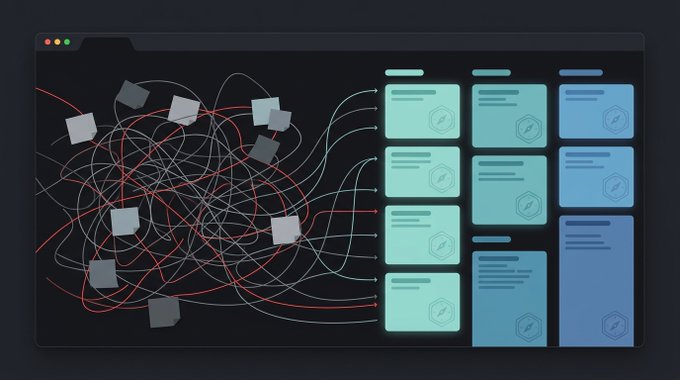
That model made sense when teams moved slower and had room for a week of setup. It doesn't anymore. Deadlines compressed, teams went remote and distributed, and the cost of a slow start became a cost you can actually feel in the calendar.
Poor communication and coordination remain the primary contributor to project failure in about one out of every three projects, according to PMI research — and that's not a training problem. It's a structural one. Nobody was ever assigned to own coordination full-time, because coordination isn't a task, it's a constant background job. Humans are bad at background jobs. Software wasn't, until recently, built to run them.
Why the Tools You Grew Up With Can't Keep Pace
Most PM tools in wide use today are trackers. They're excellent at showing you what you told them. They are useless at telling you what you didn't think to ask.
That distinction matters more than it sounds like it should. A tracker needs a human to:
. Break the project into the right tasks, at the right size
. Decide who should do what, based on context the tool doesn't have
. Notice when something's drifting off track before it's a crisis
. Compile updates into something a manager can actually read
. Remember to check in on all of it, every single day
None of that is project management. It's project administration — and it's the part of the job that burns people out while adding zero value to the actual work. Teams that adopt genuinely collaborative project tools see close to a 20% lift in productivity, which tells you how much is currently being lost to friction that has nothing to do with skill or effort.
The shift happening now isn't "better trackers." It's tools that do the thinking a human used to have to do first, so the human can start from a plan instead of a blank page.
The Real Tips: How Fast Teams Actually Run Projects Now
This is the part that matters regardless of what tool you're using. These are the habits separating teams that move fast from teams still stuck re-explaining status every Thursday.
- Define "done" before you define tasks. Most planning starts backwards — people list tasks before they've agreed on what success actually looks like. Write the outcome in one sentence first. Every task should trace back to it.
- Let one source own the breakdown, not a meeting. Task lists built by committee end up inconsistent — some items are two minutes, others are two weeks, and nobody sized them the same way. A single planning pass (human or AI) keeps granularity consistent, which is what actually makes a board readable.
- Kill the standing status meeting. Replace it with a digest. If the update doesn't require a discussion, it doesn't require a meeting. A well-written async summary saves the 30 minutes and gives people time back to actually do the work being summarized.
- Assign by capacity and fit, not by who's in the room. The person who happens to be free isn't automatically the right person. Misassignment is one of the quiet, repeat causes of rework — nobody flags it because it feels like a normal part of the process, not a mistake.
- Build risk detection into the workflow, not the retro. By the time a postmortem catches a problem, it already cost you time and trust. The teams that avoid this build in a way to flag drift — missed dependencies, stalled tasks, silence from an owner — while there's still time to react.
- Treat every uploaded file as project input, not an attachment. Specs, contracts, and briefs get uploaded and then ignored until someone needs them urgently. The insight buried in that PDF should feed the plan, not sit in a folder waiting to be rediscovered.
- Automate the 80% that's genuinely boring. Reminders, status pulls, re-prioritization when a deadline shifts — none of it requires judgment. It requires consistency, which is exactly what software is better at than people.
- Review weekly, not daily. Daily check-ins train teams to optimize for looking busy in the short term. A solid weekly digest, done well, tells you more about real progress than five days of "still working on it."
Notice the pattern across all eight: almost none of this is about working harder. It's about removing the manual coordination tax that eats the hours you'd rather spend building.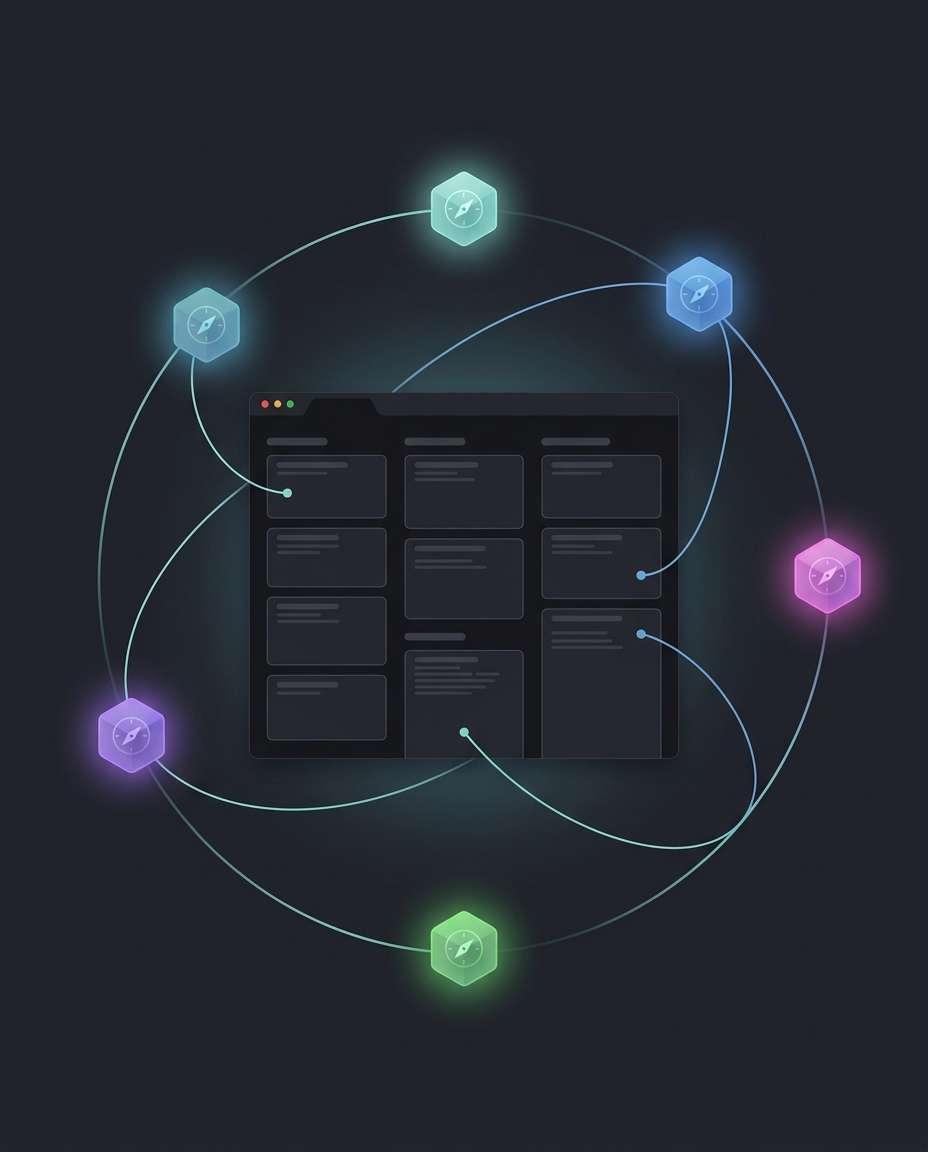
What Actually Changes When AI Orchestrates Instead of Tracks
Here's the shift underneath everything above: instead of one dashboard you have to operate, you get a set of specialized agents actually doing the coordination work — planning, tracking, flagging, summarizing — the way a very good co-project manager would, minus the burnout.
This is exactly what we built Relay Orchestrator to do, and it maps directly onto the tips above. A Planning Agent creates the plan and breaks it into right-sized tasks and assignments — solving tip #1 and #2 before you open the board. A Risk Detection Agent watches for drift and flags problems before they become fires — tip #5, running continuously instead of at a retro. A Digest Agent compiles project updates into something a manager can read in two minutes — tip #3 and #8, without anyone writing a status report by hand. A File Intelligence Agent pulls insight out of every upload automatically — tip #6, solved at ingestion instead of left in a folder. A Task Agent and Workflow Agent keep execution visible and let people interact with their own work directly, and a Chat Assistant gives cross-project access and reminders in plain conversation — so nobody has to go hunting for status across five different tools.
Teams using this model report a 60% productivity boost and roughly 15 hours saved per week — time that used to go into manual coordination now goes back into the work itself. That's not a marginal improvement over the old blank-board model. It's a different category of tool.
Bringing It Together
Everything in this article — the outcome-first planning, the risk flagging before it's a crisis, the digest instead of the meeting, the file that actually feeds the plan — is what Relay Orchestrator does natively, out of the box, for over 11,390 teams across software, agencies, consulting, and product orgs.
The old days of opening a blank board and not knowing where to start, how to break things down, or who should own what — that era is genuinely over. The tools exist now. The only question left is whether your team is still planning like it's 2015, or ready to let something built for coordination actually do the coordinating.
From Chaos to Clarity isn't a tagline. It's the actual before-and-after of what happens when a team stops managing the tracker and starts working from a plan someone — or something — else already thought through. → relayorchestrator.com
Quick answers
Do I still need a project manager if I'm using AI orchestration?Yes — but their job shifts from chasing status to making judgment calls. The busywork gets automated; the decisions still need a human. Is this only useful for software teams?No. Marketing agencies, consulting firms, and product teams all run into the same coordination tax — this addresses the pattern, not a specific industry's workflow. How long does it take a team to actually switch over?Most of the friction above (blank-board planning, manual digests, missed risk signals) starts disappearing from week one, since the agents plan and monitor from the first project you create. Written by the Relay Orchestrator team, after watching thousands of teams try to fix coordination chaos with a better tracker before realizing the tracker was never the problem.